
UBD Sustainability
COLIFORM MONITORING AND 3D PRINTIED PROTOTYPE OF FILTRATION TAP FOR CLEAN WATER AT UBD CAMPUS
Assoc. Prof. Dr Stefan Herwig Godeke, Nur Anis Sharfinaz binti Muhammad Habil Ridzuan,
Shaidatul Nabilah binti Rasid, Noor Rabiatul Muzzakirah binti Haji Abu Bakar Ahmad, Nurizz Syuhaidah binti Haji Muhammad Izhar Rahmadi
COLIFORM MONITORING AND 3D PRINTED PROTOTYPE OF FILTRATION TAP FOR CLEAN WATER AT UBD CAMPUS
- Principal Investigator (PI): Assoc. Prof. Dr. Stefan Herwig Godeke, Faculty of Science (FOS)
- Student Leader (Co-PI): Nur Anis Sharfinaz binti Muhammad Habil Ridzuan, BSc Geosciences
- Team Members:
- Shaidatul Nabilah binti Rasid – MSc by Research (Geosciences)
- Noor Rabiatul Muzzakirah binti Haji Abu Bakar Ahmad – BSc Geosciences
- Nurizz Syuhaidah binti Haji Muhammad Izhar Rahmadi – BSc Geosciences, Alumni (2018-2024)
Project Overview
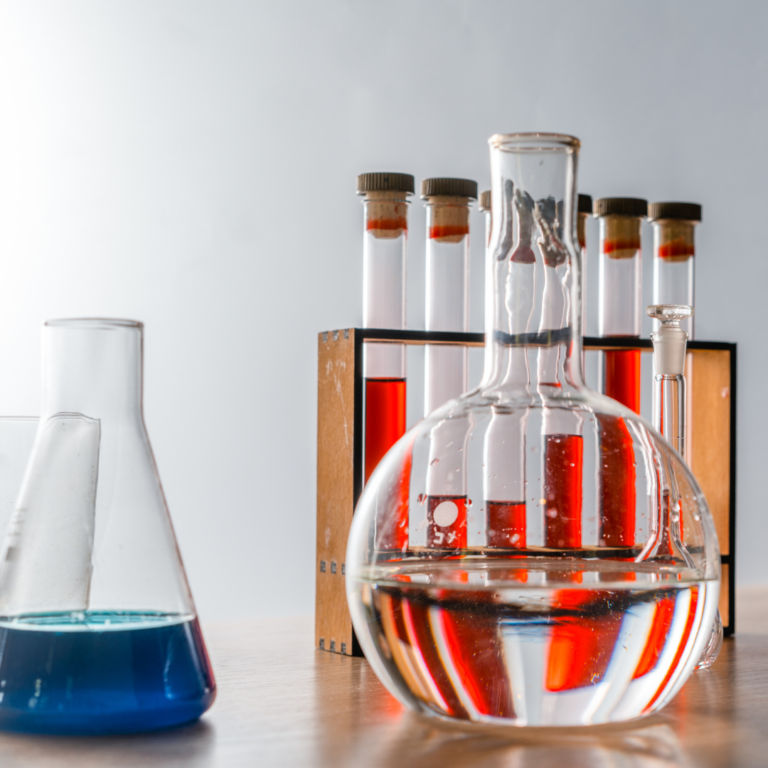
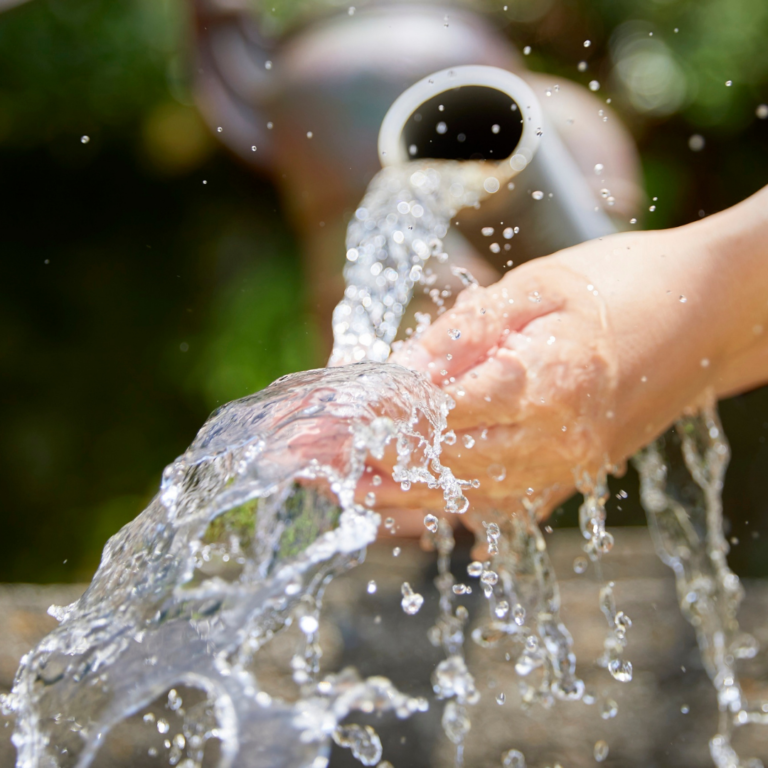
This project focuses on monitoring water quality at UBD and addressing microbial contamination risks through a combination of testing and filtration innovation. It monitors and evaluates coliform bacteria across the university’s water supply, including pipes, surface drains and drinking points, using portable test kits that allow for rapid detection at multiple campus locations. The data collected will be used to map contamination hotspots and assess the effectiveness of existing water treatment and distribution systems. In parallel, the project designs and develops a 3D-printed filtration tap prototype that offers a low-cost, modular and easy-to-maintain solution to improve water safety. Beyond the technical outputs, the initiative also raises awareness of water quality issues among students and staff, contributing to long-term improvements in sustainable water management practices on campus.
Problem Statement
Although UBD provides treated water, there is limited campus-level data on microbial water quality, particularly with regard to coliform bacteria, which are key indicators of fecal contamination. Risks stem from aging infrastructure, leaks, or poorly maintained pipelines, as well as centralised and periodic monitoring systems that may delay the detection of contamination. These gaps increase health risks for the campus community and undermine preventive action, while the absence of simple and accessible filtration options further compounds the issue. This project addresses these challenges by establishing proactive monitoring and developing an affordable, easy-to-use filtration prototype to ensure safe and reliable water on campus.
How does this project support our Sustainable and Green Campus Vision?
The project strengthens UBD’s Sustainability Masterplan under the Health and Wellbeing theme and contributes to the Living Lab vision by combining innovation, education, and operational improvements. It introduces a novel monitoring–filtration framework that uses portable test kits alongside a 3D-printed device, providing real-time data on microbial water quality while testing low-cost solutions that can be applied across campus. At the same time, it engages undergraduate and postgraduate students in applied research, field testing and prototype development, creating opportunities for transformative education. Operationally, the project identifies contamination hotspots and supports facilities management through evidence-based recommendations for safer water systems. Beyond research and operations, it raises awareness through prototype demonstrations, educational materials and student participation, fostering community engagement in sustainability practices. In doing so, the project contributes directly to global frameworks, particularly SDG 3 (Good Health and Well-being) and SDG 6 (Clean Water and Sanitation), reinforcing UBD’s role as a model for sustainable and resilient campus living.
Innovative Green Technology
UI GreenMetric Progress
Develops a 3D-printed filtration tap prototype to support sustainable water use.
Contributes to UBD’s ongoing improvement in the UI GreenMetric rankings.
What's Next?
The project will be carried out in several phases over the course of a year. It will begin with site selection and sampling to map key water points across campus, followed by water testing to assess microbial quality using portable kits. In parallel, the team will design and develop a prototype filtration system, testing its effectiveness in improving water safety. The data collected will then be analysed and visualised to identify potential contamination hotspots and provide clear insights for decision-making. Finally, the findings and prototype will be shared with the campus community, accompanied by recommendations for system improvements and options for scaling up the solution in the future.
Expected outcomes include a tested 3D-printed filtration prototype, a comprehensive dataset on coliform levels, actionable recommendations for campus infrastructure and a replicable model for sustainable water management in Brunei and beyond.
