

UBD Sustainability
RESTORING NATIVE TREES FOR A SUSTAINABLE AND GREEN UBD CAMPUS
AP Dr Rahayu Sukmaria Hj Sukri, Dr Salwana Md Jaafar
RESTORING NATIVE TREES FOR A SUSTAINABLE AND GREEN UBD CAMPUS
- Principal Investigator (PI): Assoc. Prof. Dr Rahayu Sukmaria Hj Sukri, Institute for Biodiversity and Environmental Research (IBER)
- Co-PI:Dr Salwana Md Jaafar (IBER)
Project Overview
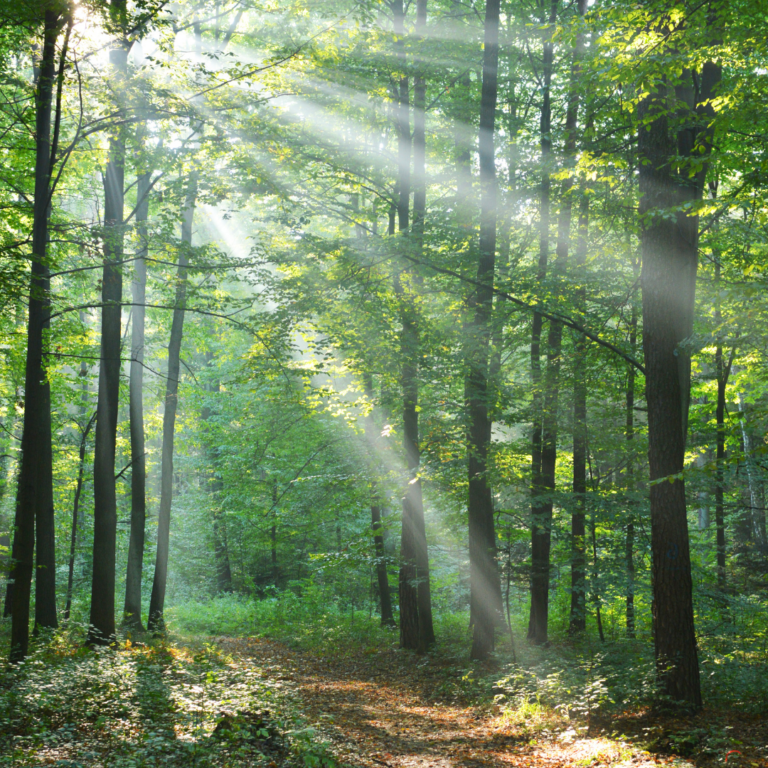
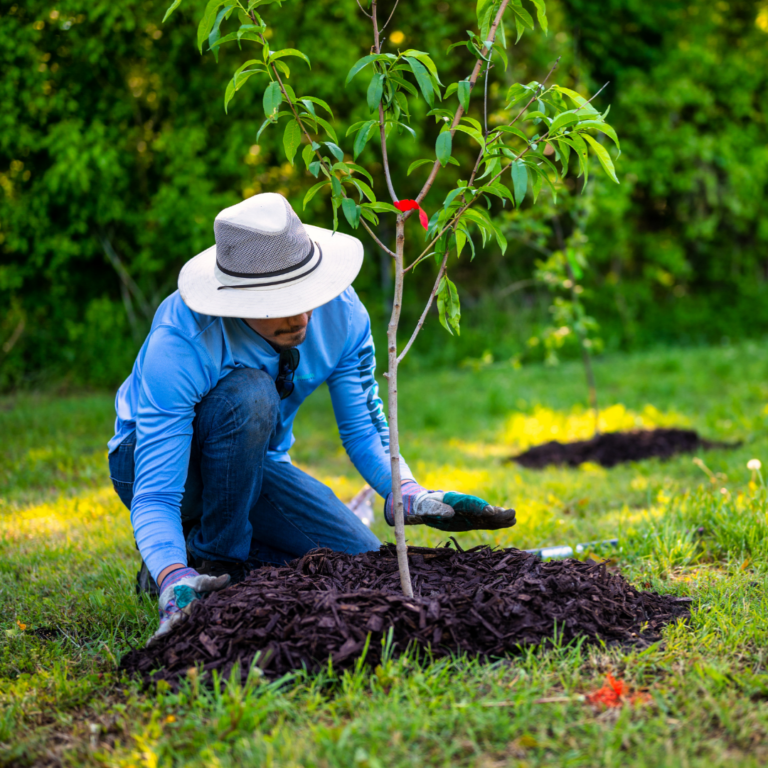
The UBD Living Forest Project seeks to transform the UBD campus into a unique living forest by restoring degraded and Acacia-invaded areas through a science-based reforestation programme. As part of this initiative, the project will plant at least 500 native tree saplings of high ecological value across the campus and establish six permanent monitoring plots (20 x 20 metres each) to enable long-term tracking of sapling survival, growth, and biodiversity recovery. It will also develop a standardised campus tree planting protocol aligned with the UBD Campus Greening Plan, ensuring consistency and sustainability in future restoration efforts. In addition, the project will actively engage at least 200 students, staff, and volunteers in tree planting, care, and monitoring activities. By combining habitat restoration with citizen science and long-term monitoring, the initiative ensures both ecological recovery and community ownership, positioning UBD as a leading model of nature-based sustainability solutions.
Problem Statement
UBD sits within the rare Kerangas (heath) forest ecosystem, which is ecologically unique but highly vulnerable. Over the past decades, campus development, forest fires, and the spread of invasive Acacia mangium have:
- Displaced native tree species, reducing biodiversity.
- Altered soil composition and ecosystem functions.
- Increased the risk of forest fires.
- Led to an estimated 80% loss of intact Kerangas forest on campus over the past 30 years.
Currently, biodiversity monitoring and habitat restoration are limited to a small-scale efforts within the BRC. Without systematic intervention, UBD risks losing its role as a biodiversity-rich campus, as well as opportunities to contribute to Brunei’s conservation and climate adaptation goals.
How does this project support our Sustainable and Green Campus Vision?
The project advances UBD’s Sustainability Masterplan and Campus Greening Plan by embedding ecological restoration directly into the campus environment in innovative and science-based ways. It restores degraded areas with native species, thereby increasing carbon storage and enhancing campus biodiversity, while also introducing permanent monitoring plots that generate long-term scientific datasets to support teaching, research, and student projects. A key innovation lies in its integration of citizen science with systematic ecological monitoring, ensuring that community-led activities are combined with robust datasets on biodiversity recovery and ecosystem health. The project also pioneers the development of a standardised campus tree planting protocol, creating a replicable model that can be scaled within UBD and shared nationally. At the same time, it provides experiential learning opportunities for students in restoration ecology, biodiversity monitoring, and sustainability practices, reinforcing UBD’s role as a Living Lab. The initiative further engages volunteers and local partners in tree planting and monitoring activities, fostering a culture of environmental stewardship within and beyond the university community. In doing so, the project not only demonstrates ecological restoration but also positions UBD at the forefront of innovative, nature-based solutions aligned with national and global priorities, supporting BNCCP Strategy 2 on afforestation and reforestation, Brunei’s Green Protocol, and the National Biodiversity Policy 2024–2030, while contributing to the UN Sustainable Development Goals (SDGs), particularly SDG 13 on Climate Action, SDG 15 on Life on Land, and SDG 17 on Partnerships.
Expands Green Space
Protects Native High-Value Trees
Supports the safeguarding of 100% of native high-value species on campus.
Contributes to UBD’s goal of increasing campus green areas to 30% by 2030
What's Next?
The project will begin with a preparatory phase involving the identification and clearing of degraded or Acacia-invaded sites, baseline soil and vegetation surveys, and the acclimatisation of approximately 500 native saplings at the UBD Botanical Research Centre nursery. This will be followed by campus-wide tree planting events, with proper soil preparation, spacing, and mulching to maximise sapling survival. Continuous monitoring and data collection will then be carried out at intervals of 1, 3, 6, and 12 months to track survival, growth, and biodiversity recovery, supported by the establishment of long-term monitoring plots for ongoing research. The project also emphasises community engagement, involving more than 200 students, staff, and volunteers in planting and monitoring activities, complemented by educational signage, workshops, and awareness campaigns. Finally, the project will deliver reporting and scale-up, producing a one-year progress report, a final evaluation report, and recommendations for extending UBD’s Living Forest initiative, with expected outputs including at least two peer-reviewed journal publications in the years following project completion.
