
UBD Sustainability
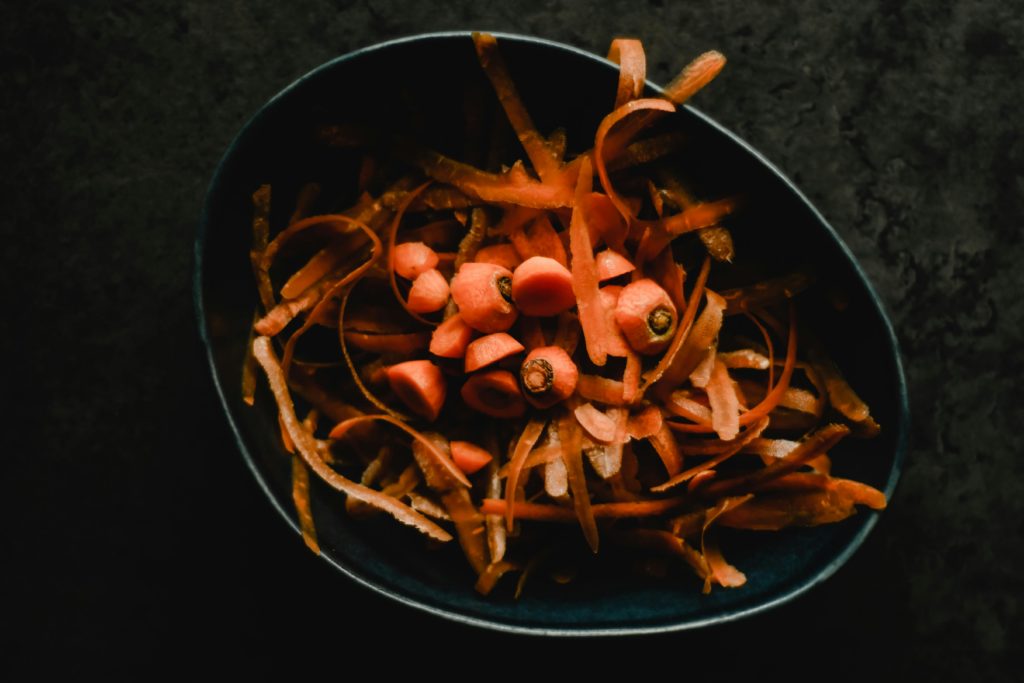
WASTE TO GREEN – A SUSTAINABLE GREEN CAMPUS INITIATIVE
Dr Faizah Metali, Dr Nicole Lim Chai Hoon, Dr Muhammad Saifullah Abu Bakar
WASTE TO GREEN – A SUSTAINABLE GREEN CAMPUS INITIATIVE
- Principal Investigator (PI): Dr Faizah Metali, Faculty of Science (FOS)
- Co-Investigators: Dr Nicole Lim Chai Hoon (Faculty of Science), Dr Muhammad Saifullah Abu Bakar (Faculty of Integrated Technologies)
- External Collaborator: Dr. Mohamad Hilmi Ibrahim, Universiti Malaysia Sarawak (UNIMAS)
Project Overview
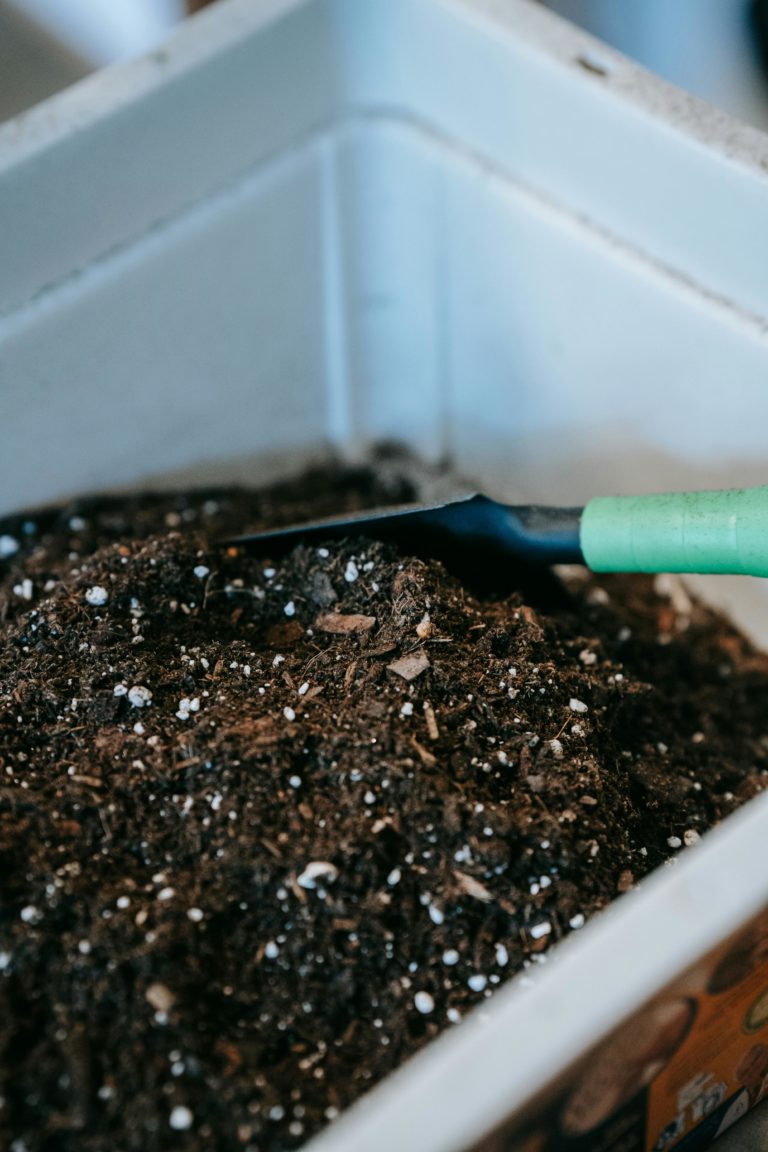
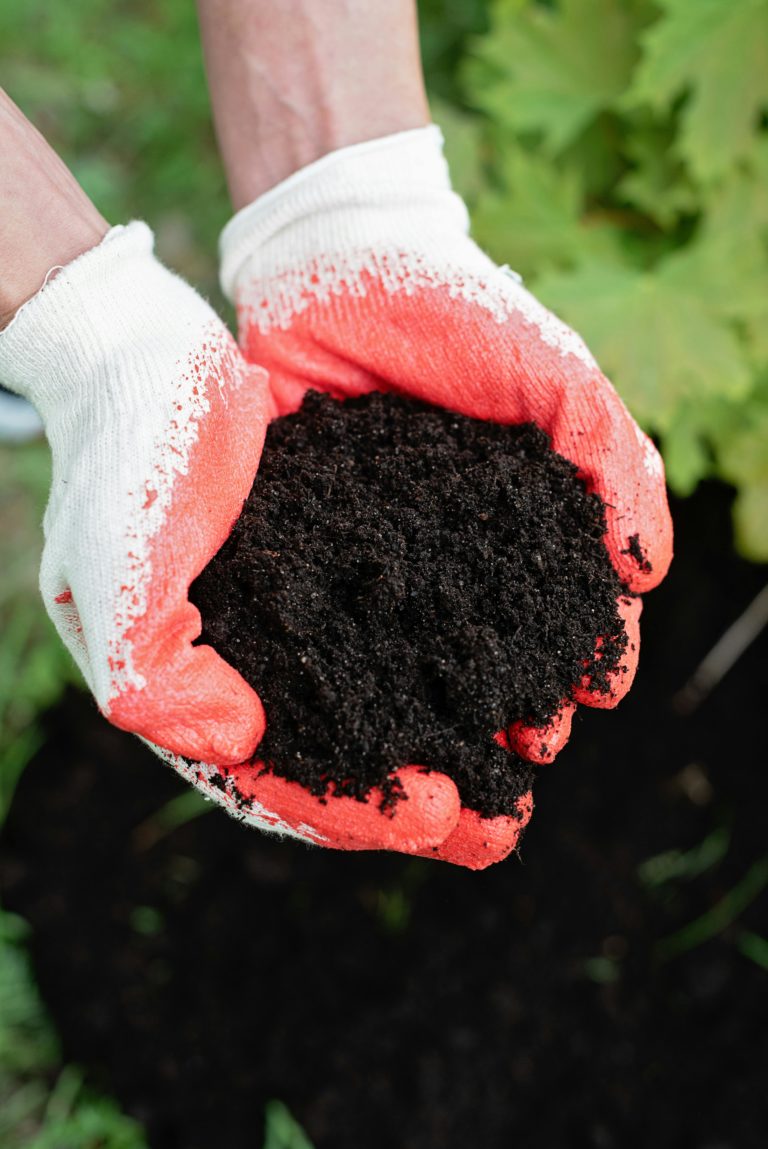
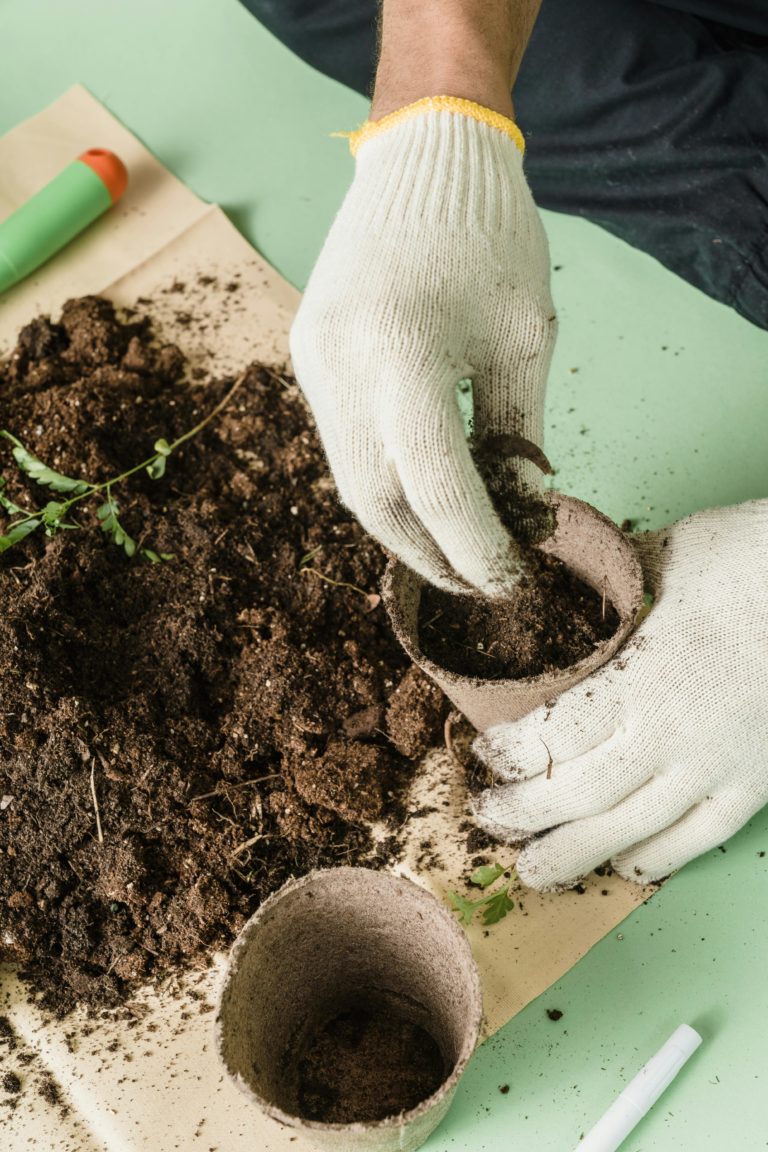
This project establishes a campus-based waste-to-resource system through a series of integrated technical approaches. It begins with a comprehensive waste audit of UBD to identify and quantify organic waste streams, followed by the implementation of a structured segregation and collection system using clearly labelled bins for “green waste” (such as leaves, fruit scraps, and vegetable matter) and “brown waste” (such as cardboard and prunings). Composting facilities will be developed using both bin/container and heap methods, with the process optimised by maintaining a carbon-to-nitrogen (C:N) ratio of approximately 30:1 and regular monitoring of key parameters including temperature, pH, moisture, and microbial activity. In parallel, controlled fermentation trials will be conducted to convert food waste into liquid organic fertilizers and hydroponic media, with close monitoring of dissolved oxygen, pH, and nutrient concentration to ensure product quality. The project will also integrate IoT sensors to track environmental conditions and improve the efficiency of composting and fermentation processes. Outputs from these systems will be rigorously tested through controlled plant trials, evaluating growth rates, biomass production, soil quality, and yield. Once validated, the processes will be scaled up for campus-wide implementation, with outcomes disseminated through student engagement, workshops, and wider community outreach initiatives.
Problem Statement
UBD currently generates significant volumes of waste (~69 tons/year at FOS alone). Most waste in Brunei (70%) is disposed into landfills, with minimal composting (2%). This contributes to pollution, greenhouse gas emissions, and resource depletion. There is an urgent need for a closed-loop, campus-based solution that reduces waste while generating useful products for food security, soil health, and sustainable landscaping.
How does this project support our Sustainable and Green Campus Vision?
This project directly advances UBD’s vision of a sustainable and green campus by embedding innovative research, transformative education, operational improvements, community engagement and alignment with global sustainability goals into one integrated initiative. It introduces scientifically validated composting and fermentation methods on campus, supported by rigorous quantitative monitoring—such as carbon-to-nitrogen ratio assessments, microbial diversity studies, nutrient analysis, and IoT-enabled sensors for temperature and pH—to ensure data-driven optimisation. These efforts not only generate new knowledge but also produce value-added products such as compost, liquid fertilizers, and hydroponic media, which can be scaled up within campus operations and potentially commercialised.
The project is also a platform for transformative education, providing students and staff with practical, hands-on experience in waste audits, laboratory fermentation trials, and agronomic testing. By embedding MSc and BSc research projects—including goat manure composting, vermicomposting, and seaweed fermentation—into its framework, the initiative bridges theory with applied practice. Complementary workshops and training sessions further build the skills of students and staff, cultivating champions of sustainability and circular economy practices within the university community.
Operationally, the project aims to reduce UBD’s organic waste footprint by at least 30% through the conversion of waste into usable resources. Compost will be applied to campus landscaping to enhance soil fertility and reduce dependence on chemical fertilisers, while liquid organic fertilizers and hydroponic media will be deployed to support sustainable food production systems on campus. These measures strengthen UBD’s ecological resilience and reinforce its identity as a living laboratory for sustainable development.
The initiative also extends its impact beyond the university by engaging local communities and regional partners. At least three workshops will be delivered for schools and organisations, showcasing composting, fermentation, and hydroponic techniques as accessible sustainability solutions. Collaboration with external partners such as Universiti Malaysia Sarawak (UNIMAS) facilitates technical knowledge transfer and strengthens UBD’s role as a national demonstration site for low-waste, sustainable campus operations.
In alignment with the United Nations Sustainable Development Goals, the project closes the loop between waste generation and resource recovery, contributing to SDG 12 (Responsible Consumption and Production). It enhances food security and soil health in line with SDG 2 (Zero Hunger) and SDG 15 (Life on Land), while mitigating climate change impacts by reducing methane emissions from organic waste disposal, supporting SDG 13 (Climate Action). Collectively, these contributions position UBD as a leader in embedding sustainability into research, education, operations, and community partnerships.
Advances Circular Practices
Reduces Landfill Waste
Drives waste reduction, reuse, recycling, and composting across campus.
Contributes to UBD’s goal of diverting 50% of waste from landfill by 2030.
What's Next?
The project will begin with a pilot phase (2025–2026) involving a campus-wide waste audit, small-scale composting and fermentation trials, and the collection and analysis of baseline data. This will be followed by an upscaling phase (2026–2027), which will establish a large-scale composting facility, introduce hydroponic trials, and expand the application of compost and liquid fertilizers across the campus. Alongside these efforts, the project will focus on capacity building by training students and staff in waste-to-resource practices, while also driving innovation through the development and potential commercialisation of validated compost and hydroponic products. Ultimately, the initiative aims to deliver a significant sustainability outcome by achieving at least a 30% reduction in organic waste at UBD, embedding sustainability more deeply into operations, research and education.
